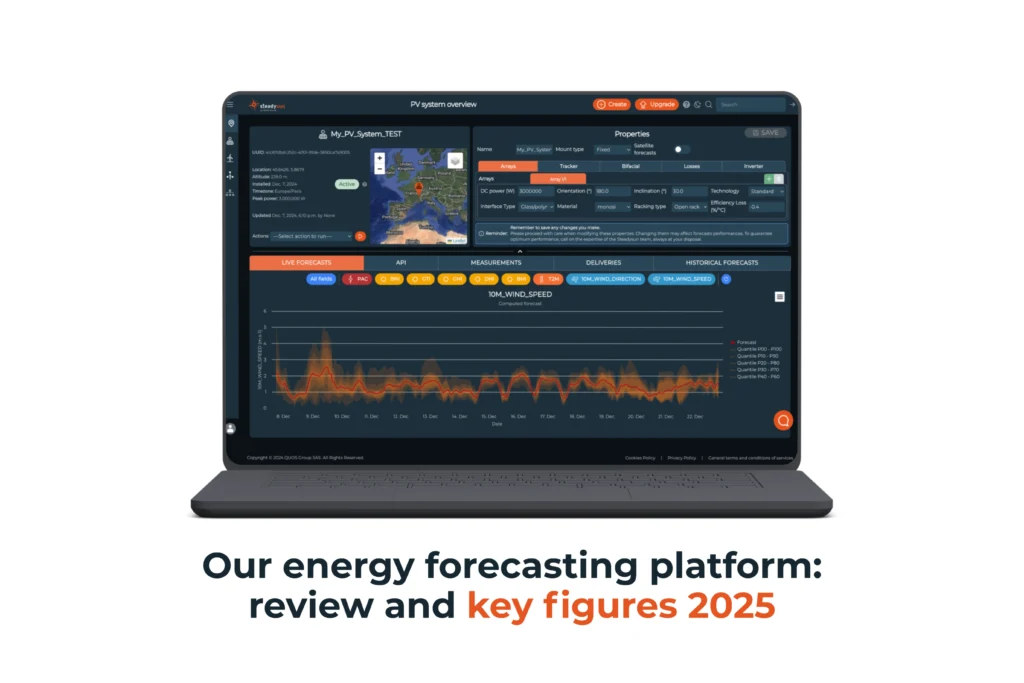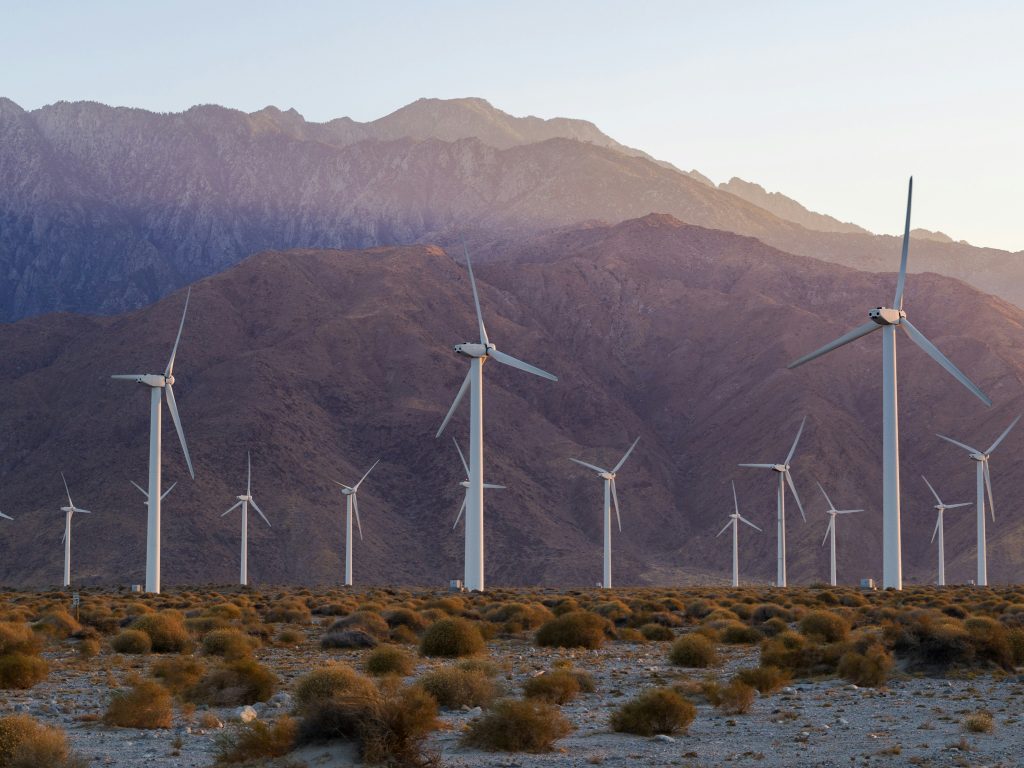




As the year comes to a close, it’s time for reviews and budget planning. For solar and wind farm managers, analyzing revenue and operational costs is a given. However, a critical factor is often overlooked in this equation: the financial impact of weather forecast quality.
No one can predict the weather with absolute certainty. The challenge isn’t finding a crystal ball, but ensuring your forecasts are a high-performing decision-making tool that maximizes your revenue and minimizes your risks.
To help you gain clarity, here are three key metrics to audit to quantify the performance of your forecasts in 2025 and guide your strategic choices for 2026.
The cost of inaccuracy in electricity markets
The electricity market is unforgiving when it comes to deviations. Every day, you commit to production volumes, particularly in the Day-Ahead market, based on your forecasts. Any discrepancy between these forecasts and your actual production has a direct cost.
If you produce less than planned: You have to buy the missing energy on the balancing market, often at a much higher price than what you sold your production for. This results in a direct financial loss for your company.
If you produce more than planned: This surplus energy will have to be sold on the intra-day markets. You risk selling it at a low price, or even having to curtail it if the grid is congested. This represents a significant loss of potential revenue.
Real-world example: A solar farm forecasted 100 MWh but only produced 80 MWh. The missing 20 MWh had to be bought back on the balancing mechanism at €150/MWh, while the initial selling price was €70/MWh. The cost of this inaccuracy: (€150 – €70) * 20 = €1,600 in a single day.
The impact on maintenance planning
What is one of the worst operational decisions you can make? Scheduling maintenance on a wind turbine on a day that turns out to be a peak wind day. Every hour of downtime at that moment translates into a direct and irretrievable loss of revenue.
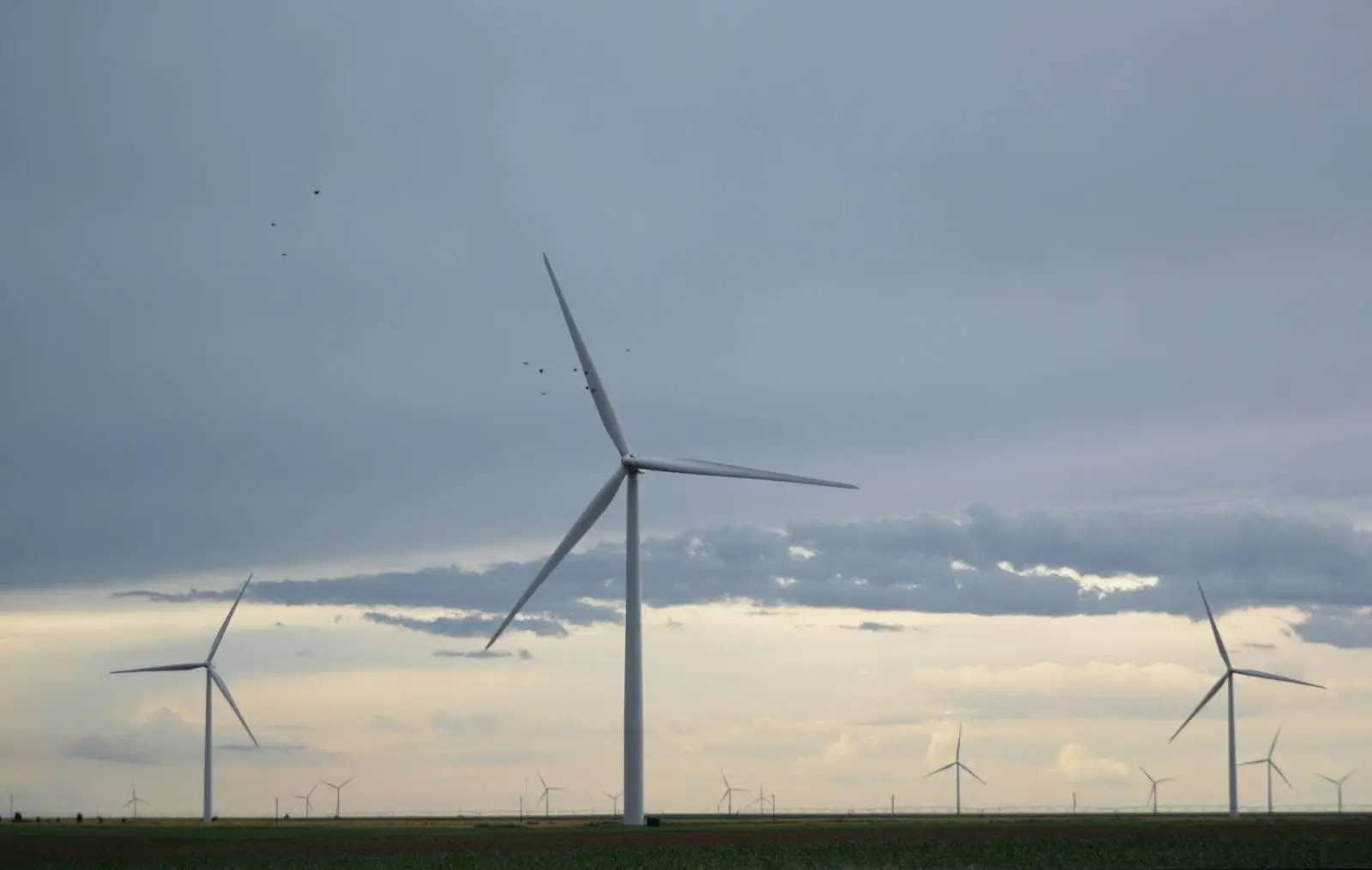
Quality forecasts do more than just predict production. They should clearly identify the weather windows that are favorable for your field operations. Planning maintenance requires accurate forecasts of low wind (for wind power) or low solar irradiance (for solar power), several days in advance. In fact, using technologies like AI for predictive maintenance can reduce costs by up to 23%.
The audit is simple: compare your 2025 maintenance schedule with the actual production that could have been achieved on those days.
Asset availability and health
Beyond immediate profits, preserving the long-term value of your assets is paramount. Unanticipated extreme weather conditions can cause emergency shutdowns and premature wear and tear on your equipment.
For wind power: Wind gusts exceeding operational limits, or icing conditions on the blades, can force abrupt shutdowns that stress mechanical components.
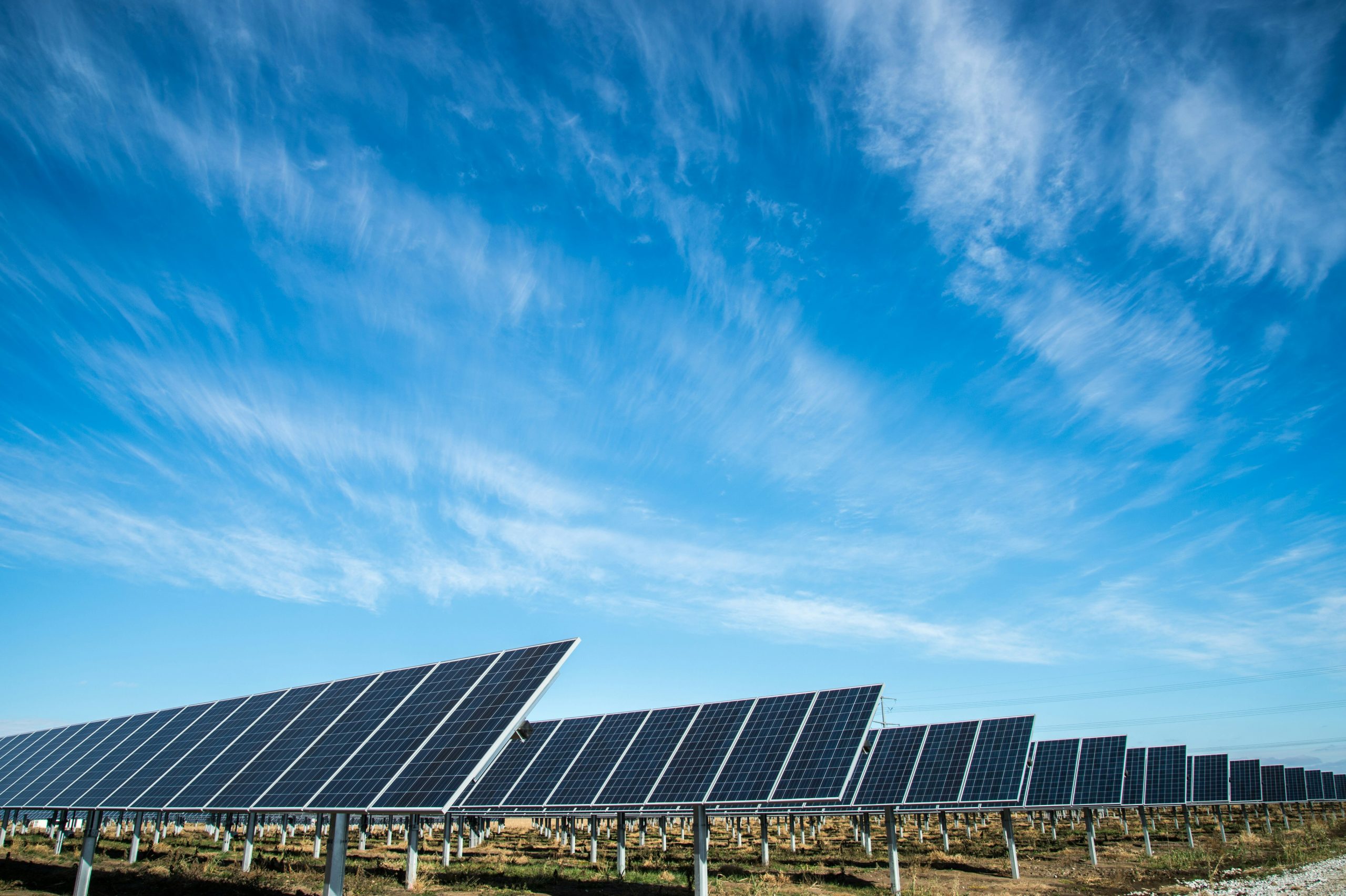
For solar power: Dust deposits or sandstorms can drastically reduce panel efficiency, while extreme heatwaves can decrease the efficiency and lifespan of inverters.
High-performance forecasts must include the anticipation of these phenomena. They give you time to implement preventive actions (e.g., activating de-icing systems, adjusting load plans) rather than reacting to emergency shutdowns.
Conclusion: how to act in 2026?
Auditing these three metrics will give you a clear picture of the real performance of your forecasts: not in abstract error percentages, but in euros.
For 2026, it is essential to partner with a weather provider who supplies you with the tools to manage uncertainty:
- A multi-model and probabilistic approach that combines multiple scenarios (P10, P50, P90) to quantify risk and adapt your market strategies.
- Long-term forecasts that allow you to anticipate favorable or unfavorable periods and optimize your planning.”
At Steadysun, we are convinced that renewable energy forecasting is not a cost center, but a strategic performance lever.
Ready to turn your forecasts into a real asset for 2026? Try our forecasts for free today for 30 days! 🚀